
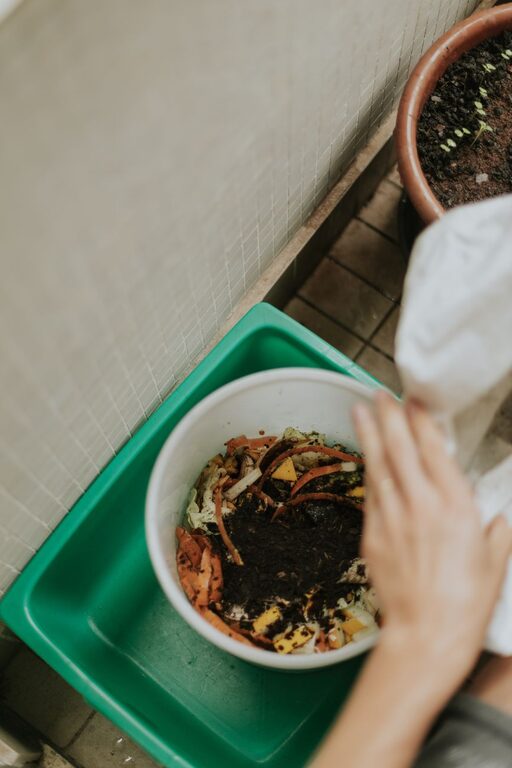
Beginner Tips for Composting at Home: A Simple Guide to Get Started
Composting at home is a rewarding and environmentally friendly way to reduce waste and enrich your garden soil. If you’re new to composting, it might seem a little overwhelming at first. But with some basic knowledge and simple steps, anyone can turn everyday kitchen scraps and yard waste into rich, healthy compost. This guide will walk you through beginner tips to start composting at home successfully.
What Is Composting?
Composting is the natural process of recycling organic material, such as food scraps and plant waste, into a nutrient-rich soil amendment. Microorganisms like bacteria and fungi break down the materials over time, creating compost that helps plants grow by improving soil structure and fertility.
Why Compost at Home?
– Reduce Waste: Composting diverts organic waste from landfills, cutting down on methane emissions.
– Improve Soil: Homemade compost adds valuable nutrients to your garden soil.
– Save Money: It lowers the need for chemical fertilizers.
– Support Environment: Composting promotes sustainable gardening and reduces your carbon footprint.
Getting Started: Choose Your Composting Method
There are several methods to compost at home. The two most common are:
1. Compost Bin or Pile
This is the traditional method, where you collect organic waste in a backyard bin or a compost pile. It’s easy to manage and suitable for larger spaces.
2. Vermicomposting (Worm Composting)
Using red worms, vermicomposting is ideal for indoor spaces or small patios. The worms break down food scraps quickly, producing worm castings that are excellent plant fertilizer.
Beginner Tips for Successful Composting
1. Find the Right Spot
Choose a well-drained, accessible location for your compost bin or pile. It should get some sunlight but also have some shade to maintain moisture.
2. Balance Greens and Browns
Compost needs a balance of “green” nitrogen-rich materials and “brown” carbon-rich materials.
– Greens: Fruit and vegetable scraps, coffee grounds, grass clippings, fresh plant trimmings.
– Browns: Dry leaves, shredded paper, cardboard, straw, wood chips.
Aim for roughly 2-3 parts browns to 1 part greens for good decomposition.
3. Chop or Shred Materials
Breaking down larger items into smaller pieces speeds up composting. Cut kitchen scraps and yard waste into smaller chunks before adding them.
4. Keep It Moist but Not Wet
Your compost should feel like a damp sponge. Too dry, and decomposition slows; too wet, and it can smell or become slimy. Add water if it’s dry, or mix in more browns if it’s too wet.
5. Turn or Aerate Regularly
Oxygen helps composting microbes do their job. Turn your pile every 1-2 weeks with a pitchfork or compost aerator to speed up the process and reduce odors.
6. Avoid Problem Materials
Don’t compost meat, dairy, oils, pet waste, or diseased plants. These can attract pests or cause odors. Stick to plant-based kitchen scraps and yard waste.
7. Use a Compost Thermometer (Optional)
If you want to monitor progress, a compost thermometer can help. Ideal temperatures for active composting range from 110-160°F. If it’s too cool, try turning the pile more often.
Troubleshooting Common Issues
– Smelly Compost: Usually caused by too much moisture or not enough air. Turn the pile and add dry materials.
– Slow Decomposition: Add more green materials or chop waste smaller. Make sure the pile is moist and aerated.
– Pests: Avoid meat or oily scraps. Use closed bins or cover food scraps with browns.
Using Your Finished Compost
Finished compost looks dark, crumbly, and earthy. It can be used in many ways:
– Mix it into garden beds to enrich soil.
– Use as mulch around plants.
– Add to potting mixes for container gardens.
– Topdress lawns for added nutrients.
Additional Composting Tips for Beginners
– Start small and be patient; composting takes time.
– Learn what materials compost best in your local climate.
– Consider a kitchen compost bin to collect scraps conveniently.
– Educate yourself with local composting resources or community workshops.
Conclusion
Composting at home is a simple practice that benefits your garden and the planet. By following these beginner tips, you can turn everyday organic waste into valuable compost that nourishes your plants and reduces household waste. Start small, stay consistent, and enjoy the rewarding process of composting!
Happy composting!
