
Easy and Effective Ways to Reduce Food Waste at Home
Reducing food waste at home is not only good for your wallet but also for the environment. Every year, millions of tons of food are discarded unnecessarily, contributing to landfill overflow and greenhouse gas emissions. Fortunately, small changes in how we shop, store, and cook food can make a big difference. This guide will walk you through practical steps to minimize food waste in your daily life.
Why Reducing Food Waste Matters
Food waste impacts more than just your household budget. When food is thrown away, all the resources used to produce it—water, energy, labor—are wasted too. Furthermore, discarded food in landfills produces methane, a potent greenhouse gas that contributes to climate change. By being mindful about food usage, you can join the effort to reduce environmental harm and build a more sustainable lifestyle.
Smart Shopping: The First Step to Less Waste
One of the main reasons food gets wasted is purchasing more than you need. Planning ahead can help you avoid this.
1. Make a Grocery List Based on Your Meal Plan
Before heading to the store, plan your meals for the week and create a shopping list. This approach helps you buy only what you will use, reducing the chance of food going bad.
2. Buy Smaller Quantities or Bulk Items Wisely
Consider buying smaller amounts of perishable goods, especially if you live alone or have a small family. For items you use regularly and that store well, buying in bulk can be cost-effective, but only if you will actually consume them.
3. Shop More Frequently and Use Local Markets
Shopping more often in small trips can help you buy fresher produce in quantities you can manage. Local markets often sell seasonal fruits and vegetables that last longer.
Proper Food Storage Extends Freshness
How you store food affects how long it stays good.
1. Understand What Goes Where
Different foods require different storage conditions. For example:
– Keep berries and mushrooms in the fridge drawer.
– Store tomatoes and potatoes in a cool, dark place outside the fridge.
– Use airtight containers or resealable bags to keep leftovers fresh.
2. Use Clear Containers and Label Food
Transparent containers make it easy to see what you have, reducing the chance of forgetting leftovers. Label items with dates to keep track of freshness.
3. First In, First Out (FIFO)
When adding new groceries to your fridge or pantry, place older items in front so they get used first.
Creative Cooking to Use Leftovers
Leftovers don’t have to be boring or wasted. With some creativity, they can become delicious meals.
1. Transform Leftovers Into New Dishes
– Roast leftover vegetables with eggs or toss them into a stir-fry.
– Use stale bread for breadcrumbs or croutons.
– Make soups or casseroles using bits and pieces from the fridge.
2. Freeze Extra Portions
If you cook a large batch of food, freeze portions in individual containers. This way, you have ready meals and avoid spoilage.
3. Use “Ugly” Produce
Don’t discard fruits or vegetables just because they look imperfect. They often taste just as good and can be used in smoothies, sauces, or baking.
Monitoring and Managing Food Waste
Being aware of how much food you throw away can help you reduce it.
1. Keep a Food Waste Diary
Note down what you throw away and why. This can help identify patterns, such as buying too much fresh produce or not using leftovers.
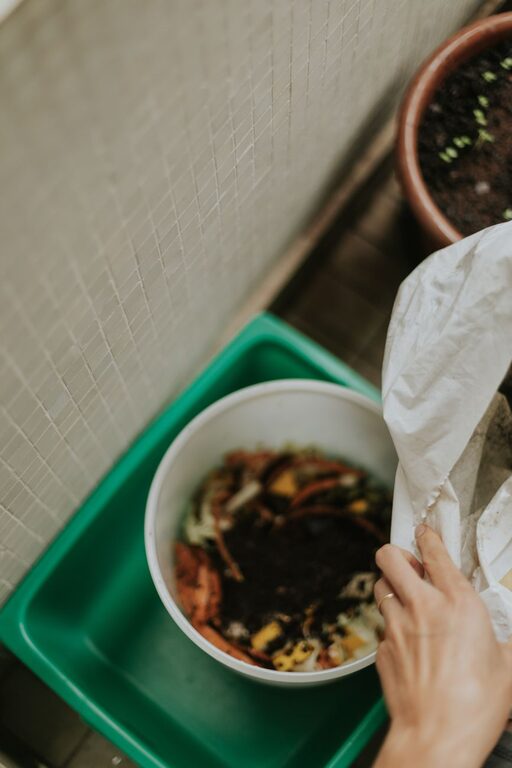
2. Compost Food Scraps
Composting is an eco-friendly way to dispose of food scraps like peels, cores, and coffee grounds. It reduces landfill waste and produces nutrient-rich soil for gardening.
3. Share Excess Food
If you have extra food you can’t consume, consider sharing with friends, neighbors, or community food programs when possible.
Additional Tips for a Waste-Free Kitchen
– Use smaller plates to avoid taking more food than you can eat.
– Keep a running inventory of your pantry and fridge.
– Check expiration dates regularly and prioritize using items that expire soon.
– Practice mindful eating by serving appropriate portion sizes.
Conclusion
Reducing food waste at home may require a bit of effort and habit adjustment, but the benefits are worth it. Not only does it save money, but it also contributes positively to the environment. Start with easy steps like planning meals, storing food properly, and getting creative with leftovers. Over time, these habits will become second nature, leading to a more sustainable and satisfying kitchen experience. Together, small actions can lead to big impacts.
